Skip to Main Content
Metal Roofing Gauge Guide for Homes, Barns & Standing Seam Projects
Mansea Metal precision rolled metal roofing installation panels

Metal Roofing Gauge Guide for Homes, Barns & Standing Seam Projects

What Gauge Metal Roofing Do I Need?

Gauge numbers work backward, meaning 24g steel is thicker than 26g, and 26g is thicker than 29g. The best metal roofing gauge depends on your building type, roof design, panel profile, and the level of durability you want from the finished roofing system. From residential homes and garages to agricultural buildings and standing seam roofs, choosing the right gauge helps support long-term strength, weather resistance, and appearance.

Mansea Metal helps Indiana and Midwest property owners compare metal roofing systems based on real project use, panel profiles, trim details, and coating performance before materials are ordered.

GET A FREE QUOTE 
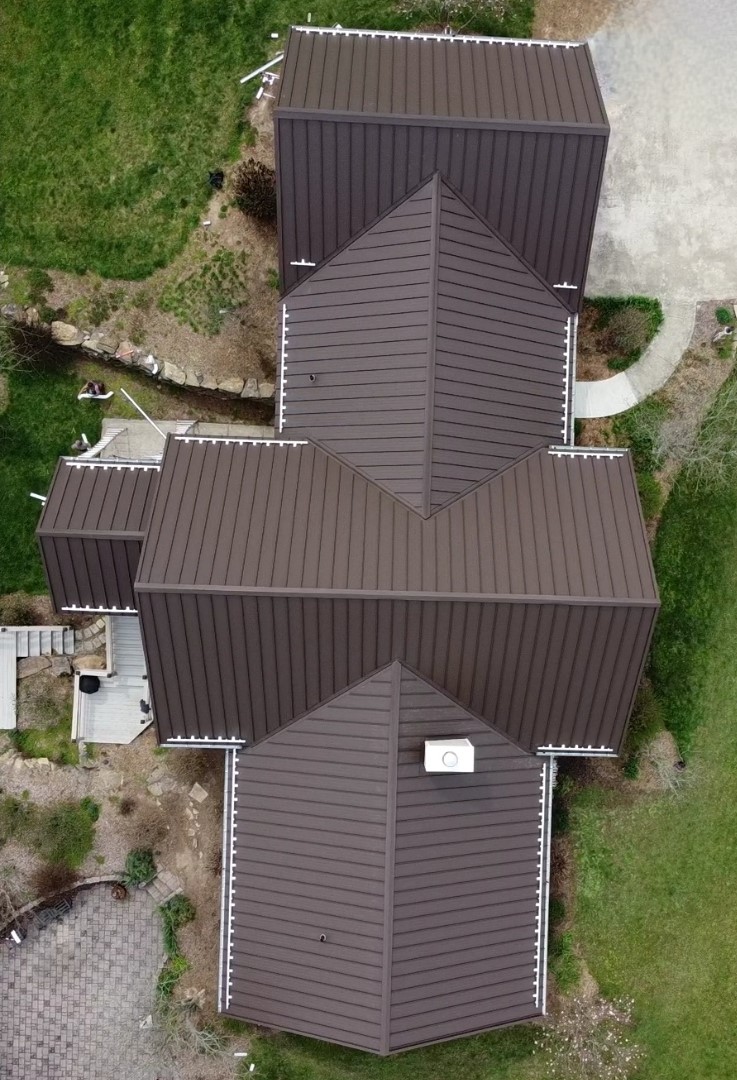
Overhead architectural design perspective of metal roofing configuration

Why Gauge Matters in Indiana and the Midwest

Indiana and Midwest roofs deal with changing weather conditions throughout the year, including rain, snow, freezing temperatures, heat, and seasonal storms. Those conditions place long-term stress on roofing systems, which is why gauge selection matters when planning a metal roof.

Gauge measures steel thickness, and lower numbers indicate thicker steel panels. A thicker panel can improve durability and structural performance, while the right finish system helps protect the roof from weathering, fading, and corrosion over time.

Mansea Metal manufactures metal roofing panels, siding, trims, and post-frame building materials using US-produced rolled steel. The company also uses Sherwin-Williams WeatherXL coatings designed to support:

  • Color stability and weather protection
  • Rust and chalk resistance
  • Long-term finish durability across changing climates

Property owners across the Midwest often compare metal roofing with asphalt shingles, wood shakes, or clay tile because traditional roofing materials can crack, curl, rot, or require more maintenance over time.

Key Takeaways:

  • Gauge measures thickness: Lower gauge numbers mean thicker, stronger panels (24g > 26g > 29g).
  • 29g Steel: Standard cost-effective choice for barns, pole barns, sheds, and agricultural structures.
  • 26g Steel: The most common option for residential homes, garages, workshops, and light commercial layouts.
  • 24g Steel: Typically reserved for premium architectural standing seam systems.
  • Coating Upgrades: WeatherXL coatings add immense color stability, rust resistance, and lifecycle extensions.
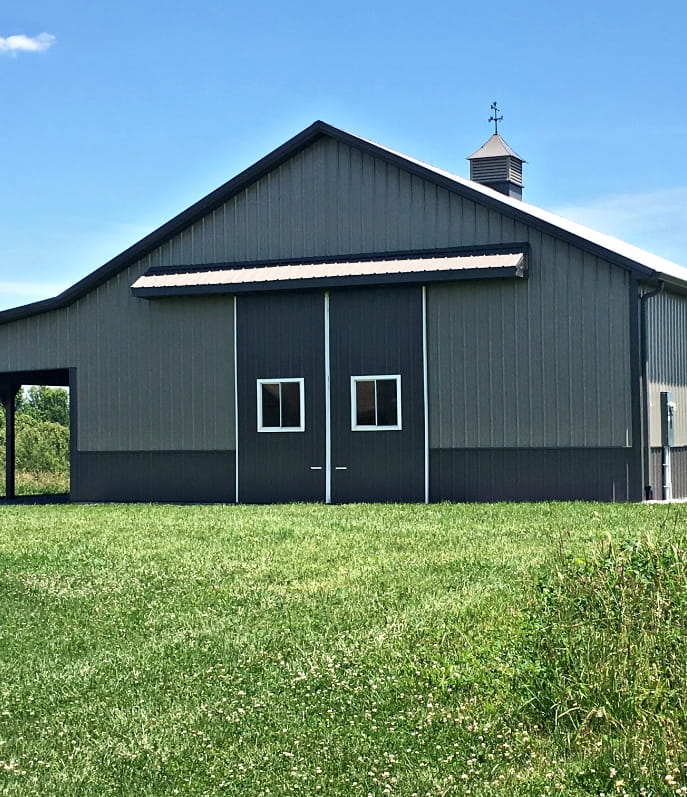
High performance heavy gauge metal roofing profiles close up

How Panel Profiles Affect Gauge Selection

Metal roofing gauge is only one part of the roofing system. The panel profile also affects durability, appearance, drainage performance, and installation style. Choosing the right combination of gauge, panel profile, trim package, and coating helps create a roofing system designed for long-term Midwest durability.

Common Gauge & Panel Profile Variations

Click to explore gauge applications by project requirement:
  • 29 Gauge — Corrugated Metal Roofing: Widely used for agricultural buildings, utility sheds, storage spaces, and barns because the rolling profile curves add organic structural stability while prioritizing value.
  • 26 Gauge — Premium Rib Roofing: The residential sweet-spot. Thicker steel panels resist wind and impact better than 29g systems, pairing perfectly with detached garages, workshops, and traditional homes.
  • 24 Gauge — Standing Seam Roofing: Thicker, premium-grade structural steel paired with hidden concealed fasteners to minimize visible screw penetrations and create architectural clean vertical lines.
  • 26/29 Gauge — 5V Metal Roofing: A traditional exposed-fastener panel choice often selected for cabins, historical accent structures, and rustic decorative residential designs.
Exposed fastener panel icon

Exposed Fastener Systems

Exposed fastener panels use visible high-grade structural screws to secure overlapping metal sheets. These configurations are highly common across corrugated, Premium Rib, and 5V roofing layouts installed on workshops, utility outbuildings, and traditional home designs.

VIEW EXPOSED PANEL PRODUCTS
Concealed fastener standing seam icon

Concealed Standing Seam

Standing seam systems anchor panels using clips and fasteners hidden completely beneath raised interlocking structural seams. This design features fewer surface penetrations, provides modern clean lines, and heavily relies on heavy-duty 24g steel.

LEARN STANDING SEAM SPECS
Complete architectural support icon

How We Help You Choose

Our engineering team helps Midwest owners calculate exact material dimensions, weigh 24g vs 26g vs 29g performance tradeoffs, map custom trim packages, and pick custom color coatings to unify homes, barns, and commercial structures.

CONNECT WITH A LOCAL TEAM

Metal Roofing Material Costs and Specifications

The table below provides a general comparison of common metal roofing materials and price ranges. These numbers help property owners compare roofing options before reviewing exact individual engineering project specifications.
*Updated May 2026, Prices Subject to Change*

Material Type Estimated Cost Range Typical Applications
Galvanized Steel $4.50--$17 per sq. ft. Agricultural, residential, and utility roofing
Galvalume Steel $400--$900 per 100 sq. ft. panel Residential and commercial roofing systems
Stainless Steel $7--$20 per sq. ft. High-moisture and corrosion-prone environments
Aluminum $6.50--$21 per sq. ft. Lightweight and specialized architectural layouts
Tin Roofing $10--$26 per sq. ft. Traditional, historical, and decorative accent roofing
Zinc $6--$10 per sq. ft. Architectural profile and low-maintenance roofing
Copper $20--$40 per sq. ft. Premium long-life high-end architectural systems

*Pricing may vary based on structural gauge thickness, custom panel profile choice, trim packages, specialized coating upgrades, roof line complexity, delivery logistics, and specific local builder installation needs.

What gauge metal roofing is best for a house?


26 gauge metal roofing is one of the most common choices for residential homes because it perfectly balances cost, performance strength, impact resistance, and long-term structural durability across midwestern weather patterns.

Is 29-gauge metal roofing too thin?


No, 29-gauge steel is not too thin when used as intended. It is explicitly designed and highly optimized for agricultural structures, open utility storage sheds, garages, barns, and post-frame outbuildings where value and efficient weather protection take priority.

When should I choose 24-gauge metal roofing?


You should opt for 24-gauge metal roofing when executing architectural standing seam projects or complex commercial builds requiring high structural rigidity, concealed fasteners, and a pristine visual finish that limits physical surface warping.

Why does metal roofing gauge work backward?


The numbers originate from classic standardized steel weight sizing measurements. The number reflects how many times a base block is rolled or pressed; hence, a higher number signifies a thinner panel thickness whereas a lower gauge indicates thicker steel panels.

What panel profile works best with 26-gauge roofing?


Premium Rib panels are highly favored alongside 26-gauge profiles. This pairing yields structural integrity and clean architectural lines for light commercial operations and midwestern residential neighborhoods alike.

What is the difference between standing seam and exposed fastener roofing?


Standing seam panels hide all mounting hardware completely beneath elevated interlocking joints for an unbroken surface plane. Exposed fastener setups lock overlapping structural panels down using visible rubber-sealed structural steel screws driven directly through the panel faces.

Does thicker metal roofing cost more?


Thicker metal raw materials alter fundamental manufacturing output pricing, but overall finished building envelope cost profiles also depend on final trim choices, multi-coat paint formulas, roof elevation difficulty steps, and installation crew demands.

Do you help property owners choose the right roofing gauge?


Yes. Mansea Metal guides builders, commercial crews, and residential owners through every selection phase — aligning exact building functions with custom gauges, durable finishes, specialized structural elements, and complete Midwestern Buildings packages.

Callout: Bar-Minimal - Mansea Metal - bar-min6

Contact Us For A Quote On Your Farms Dream Pole Barn

Whether you are constructing a new barn, planning a granary, or expanding with additional storage facilities, our range of products promises strength, reliability, and longevity. By partnering with us, you get the best metal roofing and durable post-frame building materials suitable for any agricultural project. Contact us today to start building!

CONTACT US TODAY