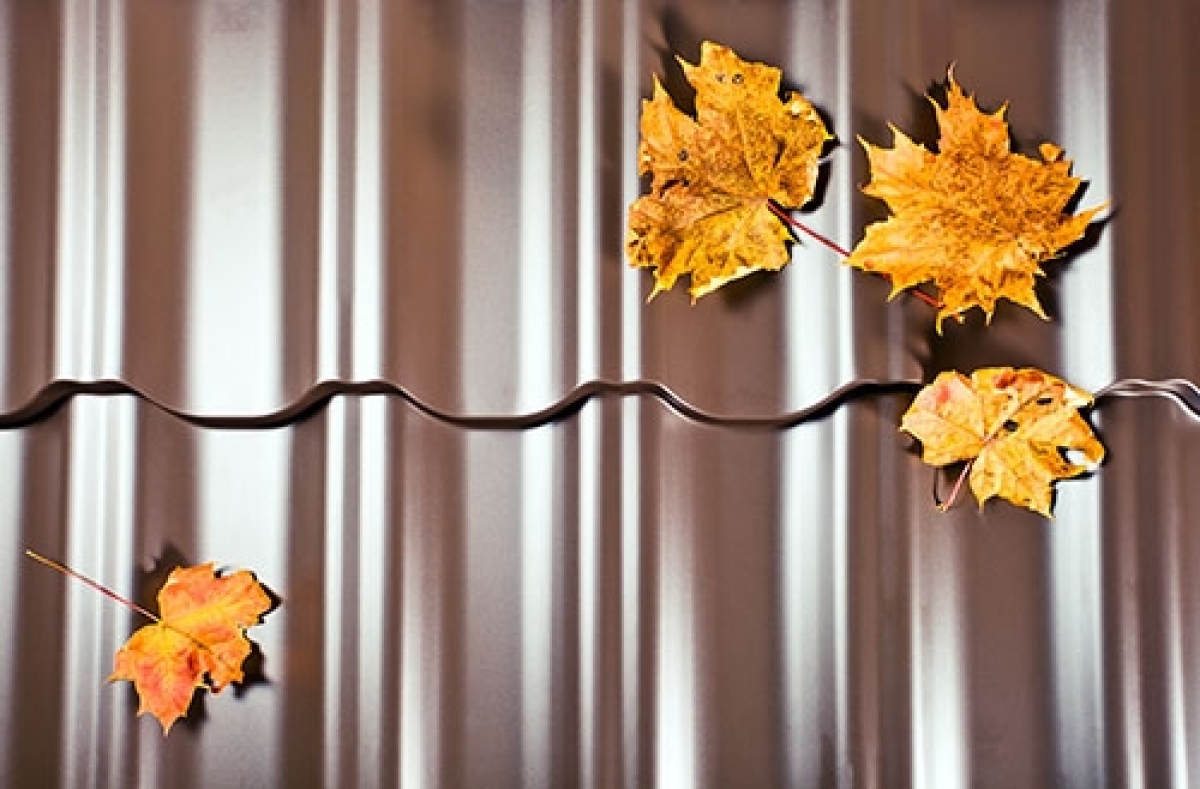
Top 5 Tips to Keep Up Your Metal Roof This Fall

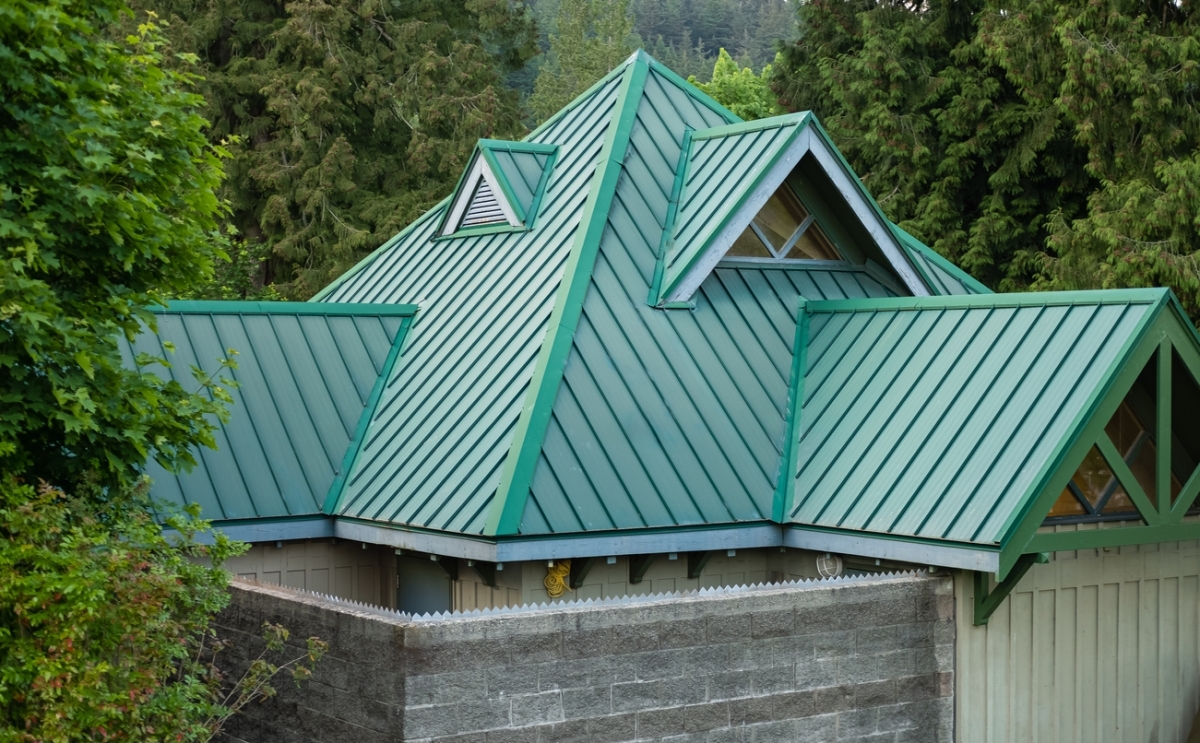
"Metal roofing" covers more ground than most homeowners expect. It's a category, not a single product, and the material, panel profile, and finish you choose all affect how the roof performs and what it costs. This guide breaks down the materials, the panel options, and the actual benefits, so you know what you're comparing before you request a quote.
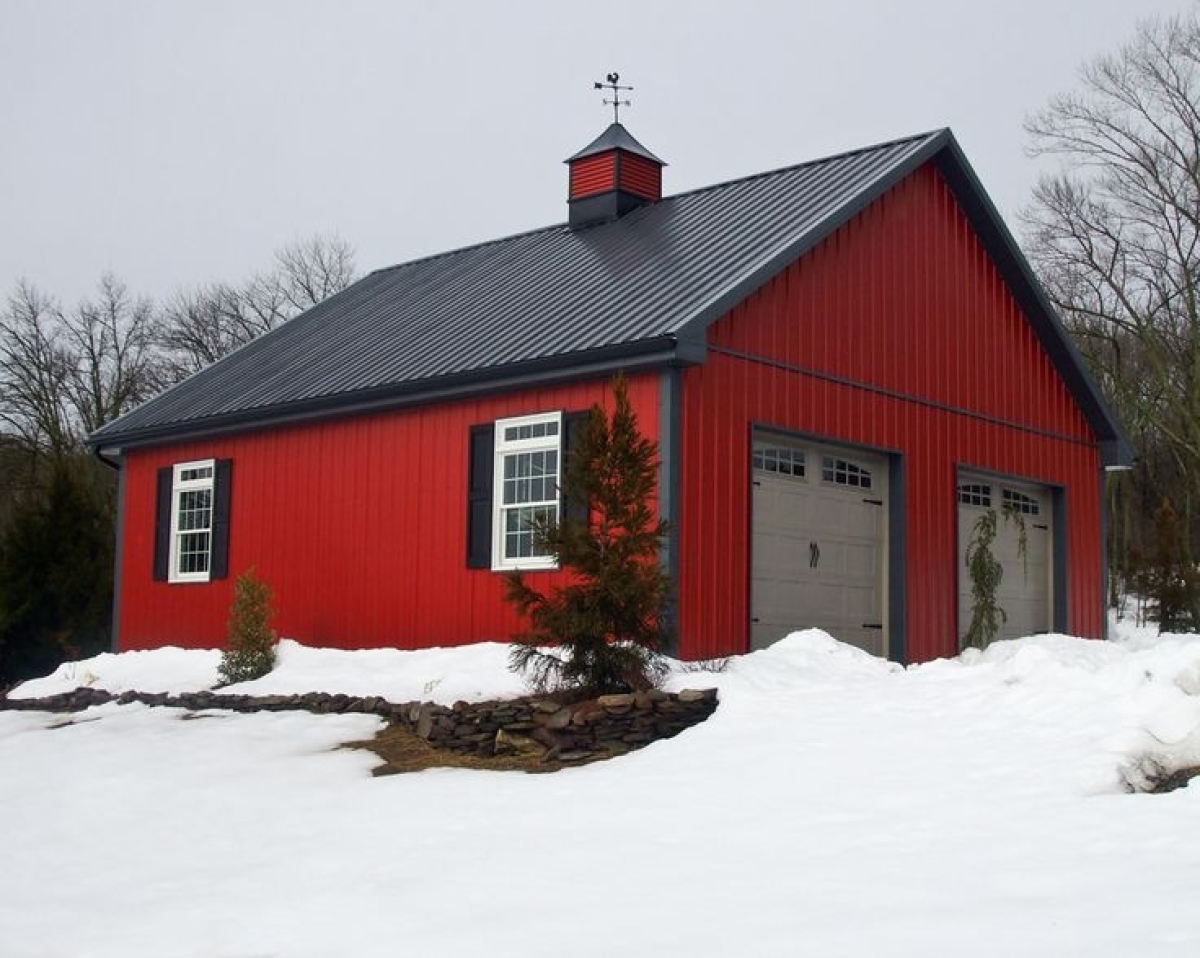
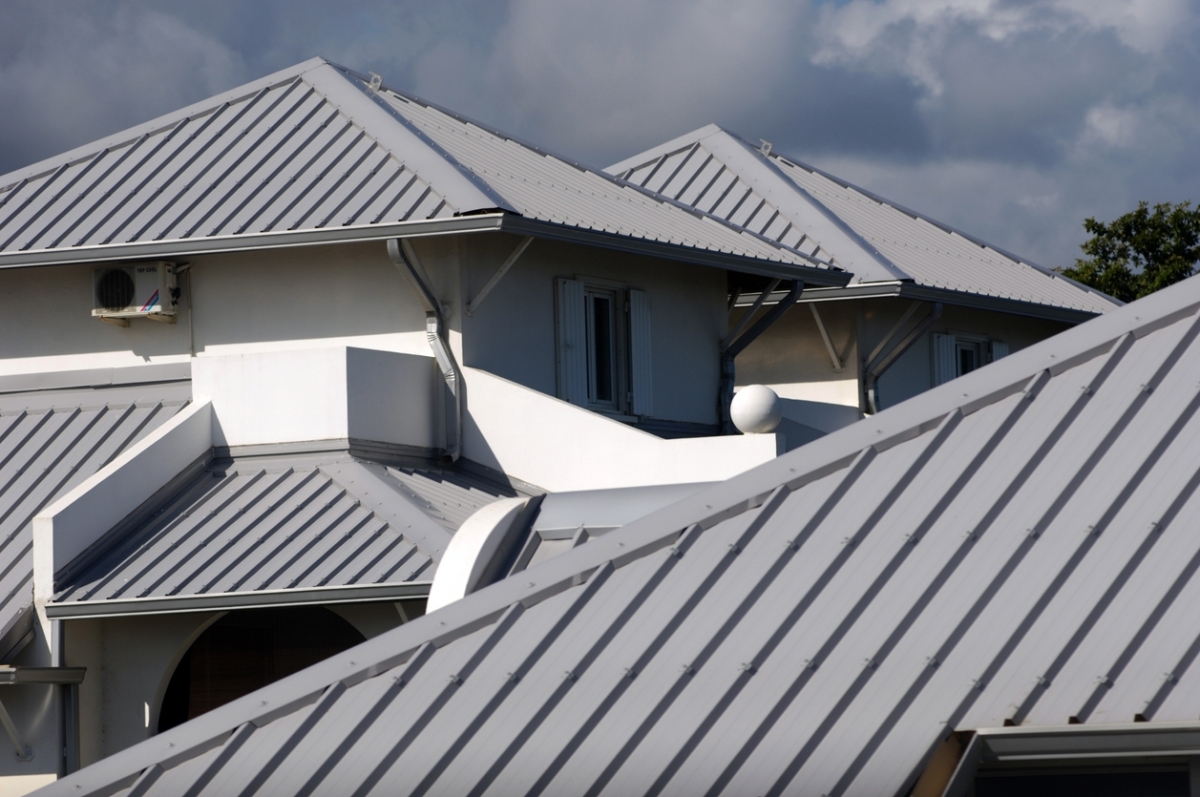
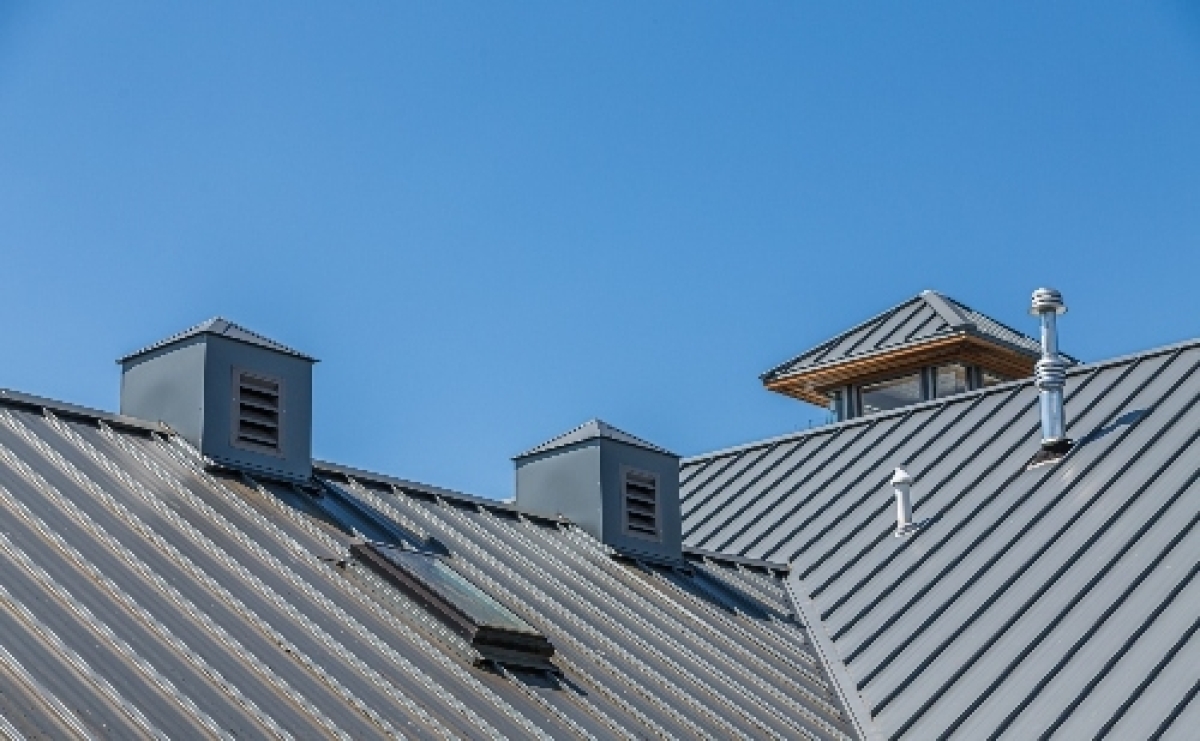
Metal roofing is a roofing system built from steel, aluminum, copper, zinc, or an alloy of these metals, formed into panels and installed as a protective covering for a home, barn, or commercial building. Unlike asphalt shingles, which are built to be replaced every 15 to 30 years, metal roofing is engineered as a long-term system. For a full breakdown of how long that system actually lasts and what protects it, see our guide on metal roof lifespan.
The metal itself is the first decision, and it affects cost, weight, and how the roof handles your local climate.
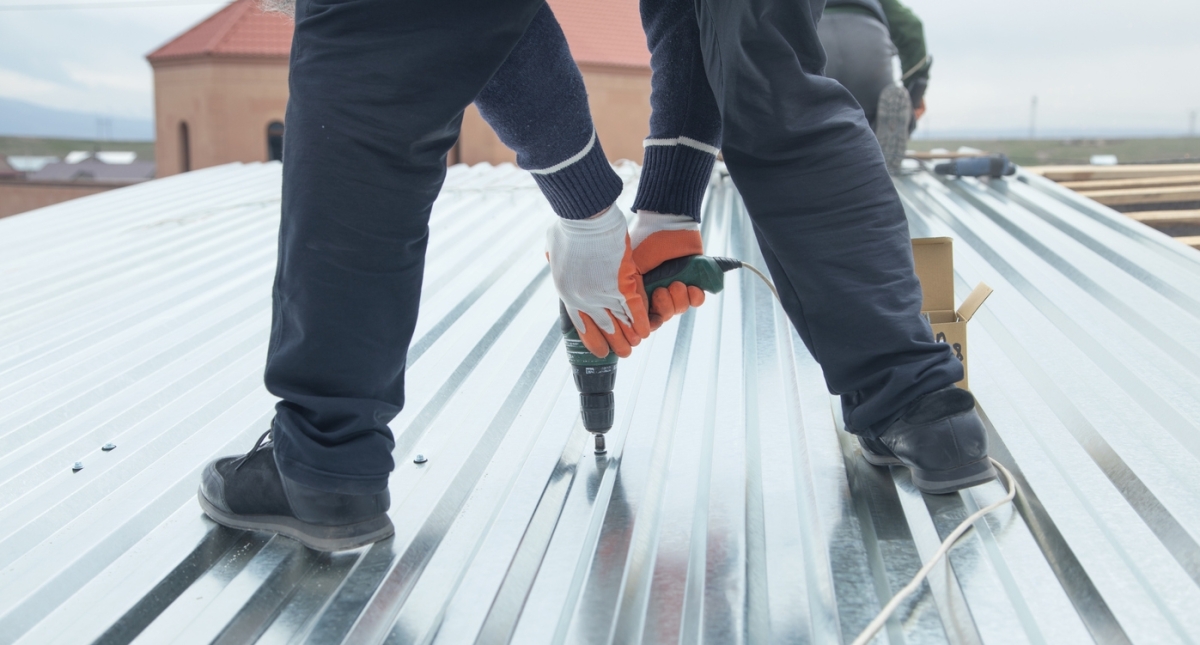
Steel is the most common metal roofing material because it combines strength, wide availability, and the lowest cost of the four. Steel panels carry a protective metallic coating against corrosion and a painted finish for color. Mansea Metal manufactures its roofing and siding panels from steel and finishes them with Sherwin-Williams WeatherXL™ Finishes, which is why steel is the focus of every panel profile below.
Aluminum resists corrosion naturally, which makes it the usual pick for coastal properties where salt air attacks steel. It weighs less than steel and won't rust, but it costs more and dents more easily. Aluminum matters less in Kentucky, Ohio, and Illinois, where coastal salt exposure isn't a factor.
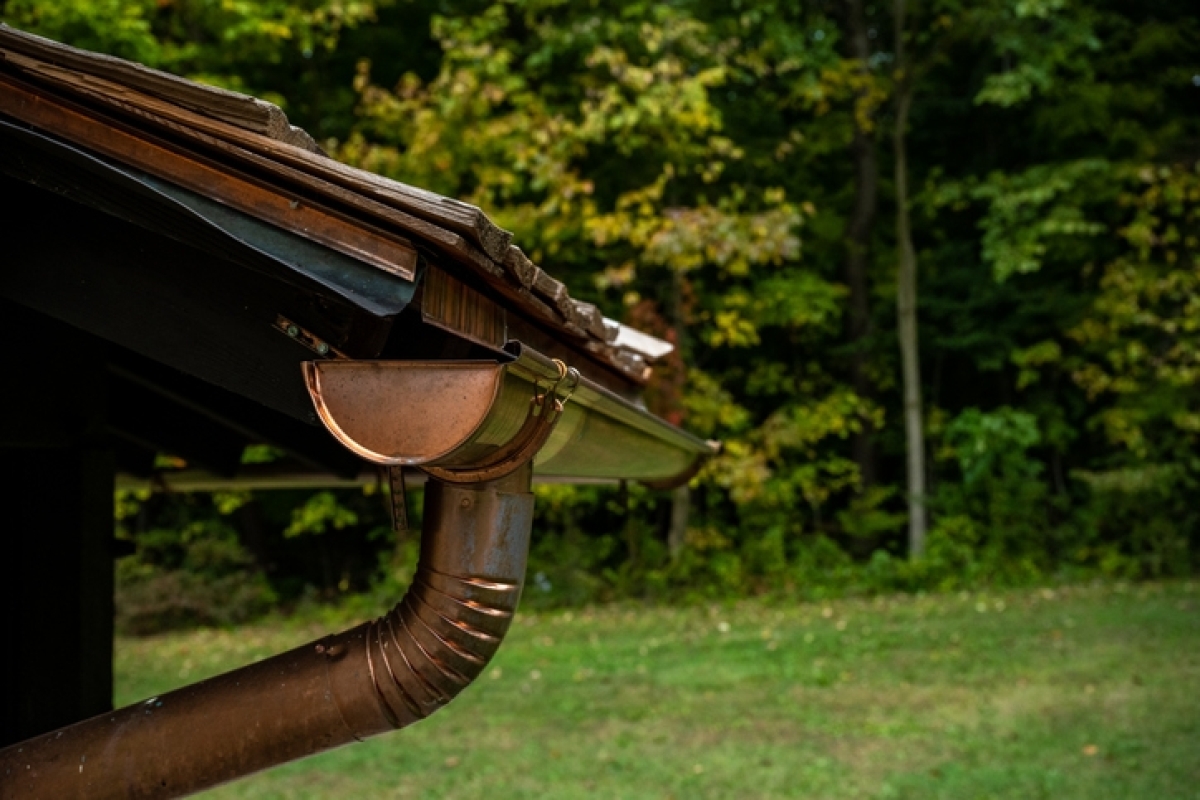
Copper and zinc are premium metals chosen for appearance and longevity, with service lives that can exceed a century. Both develop a natural patina over time. They cost several times more than steel, so they appear mostly on architectural accents and high-end custom homes rather than barns, garages, or commercial roofs.
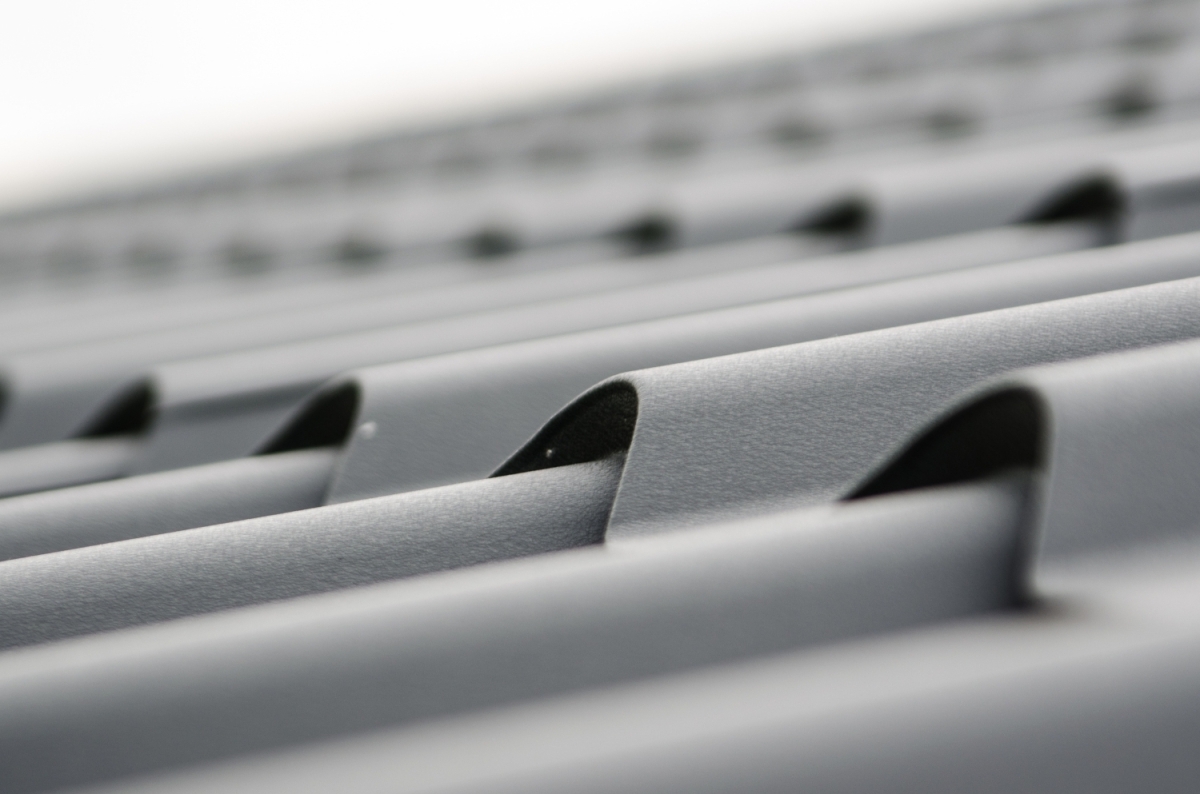
Once you've picked a material, the panel profile determines the look and the installation method. Mansea Metal manufactures nine profiles to fit different budgets and building types:
Every profile is available in more than 20 color options with Sherwin-Williams WeatherXL™ Finishes, so the choice between them typically comes down to budget, building type, and the look you want rather than performance alone.
A properly installed metal roof lasts 40 to 70 years, roughly two to three times longer than an asphalt shingle roof. Standing seam panels, with their concealed fasteners, tend to land at the top of that range.
Metal roofing carries a Class A fire rating, the highest classification for fire resistance, because the material itself is non-combustible. This matters most in wildfire-prone regions, but it's a meaningful safety factor anywhere.
The upfront cost of metal roofing runs higher than asphalt, but the comparison changes once you factor in service life. An asphalt roof typically gets replaced two or three times over the lifespan of a single metal roof, and each of those replacements adds its own labor and material costs. Metal roofing can also lower homeowner's insurance premiums in many states, thanks to its fire resistance and storm durability.
Metal roofing can reduce cooling costs by 10 to 40%, according to the Metal Roofing Alliance, largely because reflective finishes bounce solar heat away from the building instead of absorbing it. That adds up over a Kentucky, Illinois, or Ohio summer.
Metal roofing is made from recyclable material and is fully recyclable again at the end of its service life, unlike asphalt shingles, most of which end up in landfills. Combined with a multi-decade lifespan, that means far less roofing waste over the life of a building.
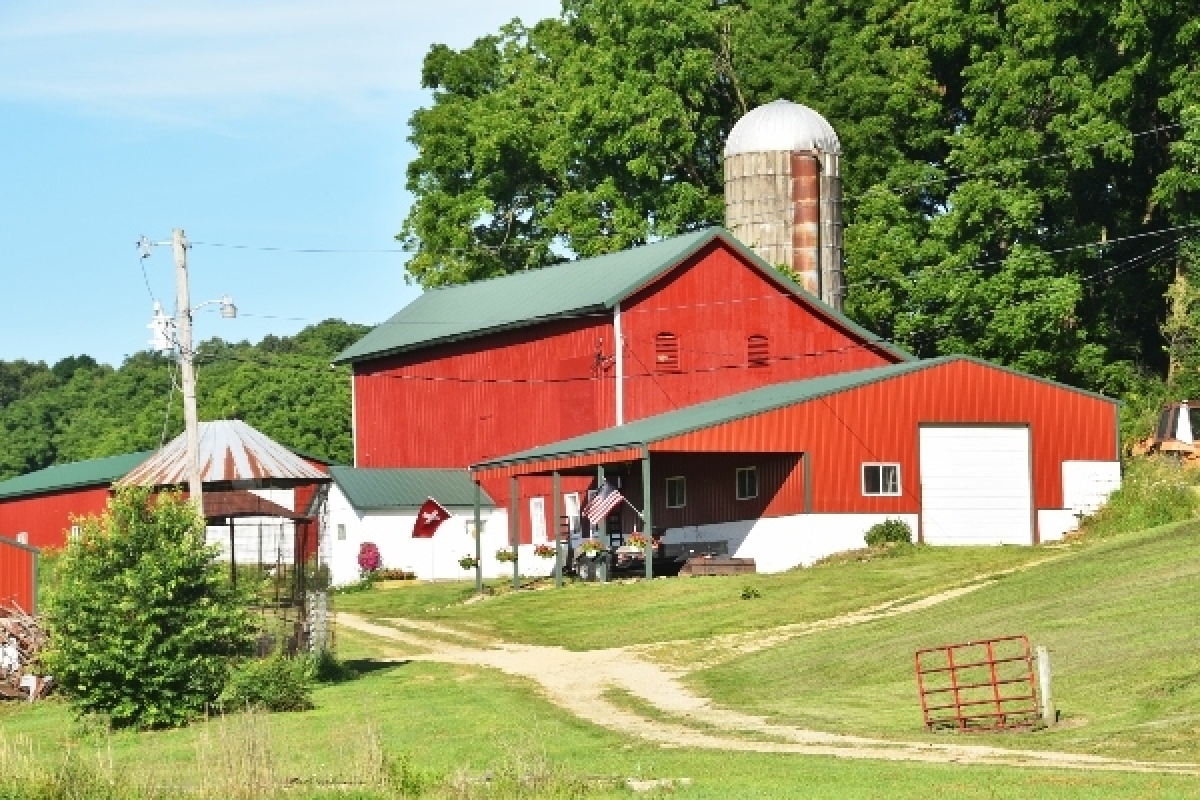
Mansea Metal manufactures every panel in-house across our Kentucky, Ohio, and Illinois facilities, so homeowners and general contractors are working with the source, not a reseller. Contractors sourcing materials for a client build can pick up directly from any of our four locations or coordinate delivery to the job site, and homeowners get the same quality materials whether the project is a single roof or a full post-frame building. Our roofing & siding page has full specs on every panel profile listed above.
Asphalt shingles cost less upfront, typically 30 to 60% less than metal for a comparable roof. That gap narrows and often reverses over time, since a shingle roof usually needs replacing two or three times over the same span a single metal roof lasts, and each replacement adds its own labor and material costs. Which option is actually cheaper depends on how long you plan to own the property.
Cost varies by material, panel profile, gauge, and finish, so a single number isn't reliable. Steel panels in a standard profile, like corrugated or 5V, run toward the lower end of the range, while standing seam and premium finishes cost more per square foot. Contact your nearest Mansea Metal location for pricing specific to your project.
The main one is upfront cost. Metal roofing costs more to install than asphalt, which is the biggest reason some homeowners hesitate, even when the long-term math favors metal. Metal roofs can also be noisier in heavy rain without proper insulation or solid-deck installation, and certain panel colors show more visible fastener wear over decades than others. None of these are dealbreakers for most homeowners and contractors, but they're worth knowing going in.
See a color and profile on your home with our Color Visualizer, or contact your nearest Mansea Metal location in Kentucky, Illinois, or Ohio for a free quote.