Welcome to Our New Website!

The moment your breath fogs the air inside your pole barn, you know winter has taken control of the space. That discomfort quickly raises the question of what is the best way to heat a pole barn so it stays usable when temperatures drop.
Learning how to heat a pole barn means looking beyond a single heater and considering how the building functions day-to-day. With the right approach, finding what is the best heater for a pole barn becomes a strategic choice rather than a guessing game.
In this guide, we'll walk through why temperature control matters, what heating options work best in different situations, and how to choose a solution that keeps your pole barn functional throughout the colder months.
Why Temperature Control in Pole Barns Matters
Temperature control in a pole barn affects far more than comfort alone. When indoor conditions fluctuate too much, the structure, contents, and everyday usability of the space can all be impacted.
Proper temperature regulation helps protect your pole barn in several key ways:
When considering how to heat a pole barn, temperature control should be viewed as a practical safeguard for both the building and everything stored or used inside it.
The Top 5 Ways to Heat a Pole Barn
Heating a pole barn effectively starts with understanding how the space is used and how often it needs to stay warm. A barn used daily as a workshop has very different heating demands than one used occasionally for storage or seasonal work. Let's break down the most effective ways to heat a pole barn.
1. Furnaces & Forced Air Systems
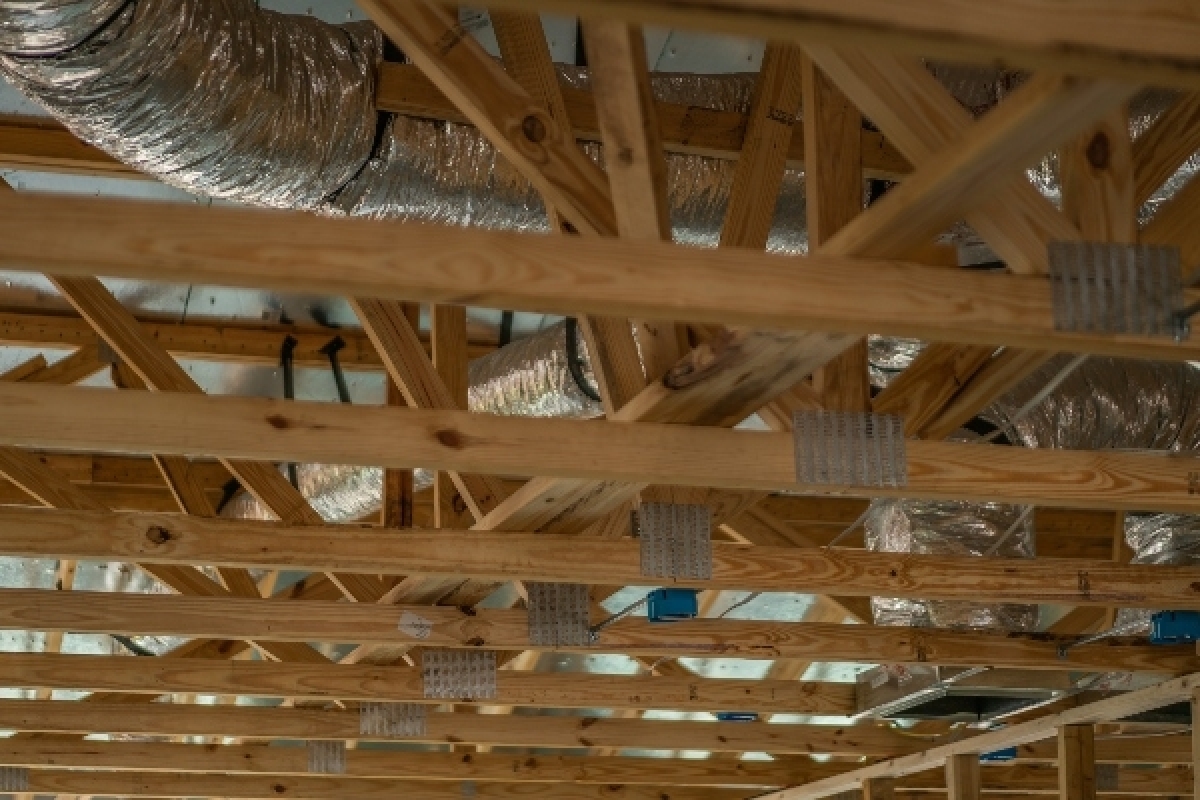
Furnaces and forced air systems heat a pole barn by warming air and circulating it through ductwork. They typically run on propane or natural gas and can raise the temperature of a space fairly quickly.
This option works best in insulated pole barns that are used often, such as commercial or industrial spaces and even garages. And because warm air rises, efficiency depends heavily on insulation quality and duct placement, especially in barns with high ceilings.
2. Heat Pumps
Heat pumps provide both heating and cooling by transferring heat rather than producing it directly. During colder months, they pull heat from the outside air or the ground and move it inside the pole barn.
These systems are most effective in moderate climates and well-insulated buildings. While installation costs can be higher, heat pumps can offer long-term energy savings for pole barns used throughout the year.
3. Radiant Heating Systems
Radiant heating warms objects and surfaces directly, rather than heating the air. This creates consistent warmth without the drafts or heat loss often associated with forced air systems.
Radiant heat works especially well in pole barns with tall ceilings or concrete floors. It is a strong option for workshops and hobby spaces where steady, comfortable heat matters more than rapid temperature changes.
4. Wood Burning Stoves
Wood-burning stoves are a cost-effective way to heat a pole barn, especially in rural areas where firewood is readily available. They generate strong, steady heat and can warm large spaces when properly sized.
This option requires regular monitoring, proper ventilation, and adequate clearance for safety. Just like radiant heating, wood stoves work best in pole barns used for workshops or hobbies where someone is present to manage the fire and maintain consistent heat.
5. Electric Unit Heaters
Electric unit heaters are compact systems that mount to walls or ceilings and heat the surrounding air. They are easy to install and do not require ductwork, fuel storage, or ventilation.
These heaters are best suited for smaller pole barns or spaces that need supplemental heat rather than full building coverage. Operating costs can be higher in colder climates, but electric heaters are often a practical choice for occasional use or well-insulated areas.
Let's Find the Right Heating Solution for Your Pole Barn
Choosing the best way to heat your pole barn comes down to how the space is built, how it is used, and how you want it to perform long-term. Insulation, climate, and daily use all play a role in determining which heating option makes the most sense.
Mansea Metal provides pole barn materials built for durability and year-round performance, and can help guide you toward heating solutions that align with your project goals.
When you are ready to plan or upgrade your pole barn, our team is here to help you take the next step. Reach out to us today and explore the heating options available.