Top 5 Tips to Keep Up Your Metal Roof This Fall

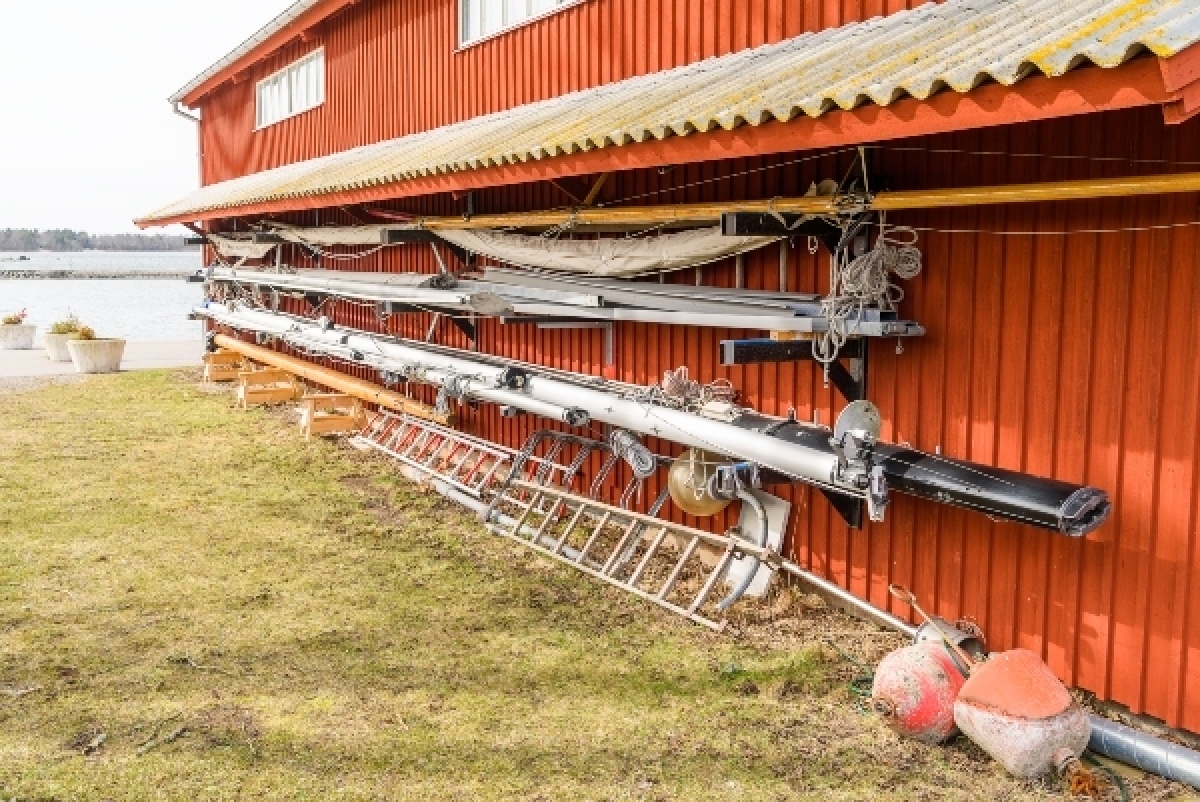
Metal roofing and siding are sold on one big promise: low maintenance. That promise is real, but "low" isn't "zero." A few short checks twice a year are what stand between a metal roof that hits its 40-to-70-year lifespan and one that develops problems a homeowner never sees coming until they're expensive.
If you already have a metal roof or siding from Mansea Metal, this is the maintenance rhythm to follow. If you're still deciding between metal and asphalt or vinyl, this is also useful, because the maintenance workload is genuinely one of the more compelling reasons homeowners across Kentucky, Ohio, and Illinois make the switch.
Compare a metal roof to asphalt shingles and the workload gap is obvious. Asphalt sheds granules, grows moss in shaded areas, and needs individual shingles replaced every time wind or hail does damage. A metal roof from Mansea Metal doesn't have any of those failure points built in, but it still lives outside, which means dirt, pollen, tree sap, and hard water minerals build up on the surface over time, and fasteners, sealants, and flashing points can loosen or wear as the building settles and the seasons change.
The maintenance that's left after you remove all that asphalt-specific upkeep is short: clean it, look at it, and fix small things before they become big ones. That's the entire job. For a side-by-side look at how metal stacks up against traditional roofing day to day, our comparison of metal roofing and asphalt shingles goes deeper into the numbers.
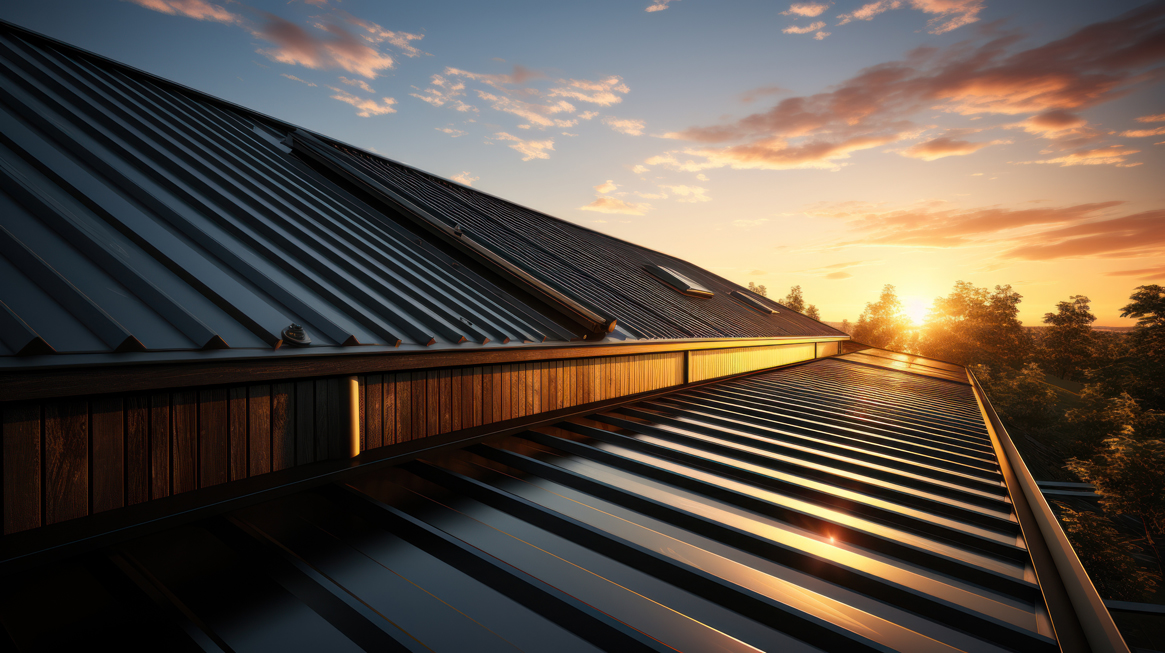
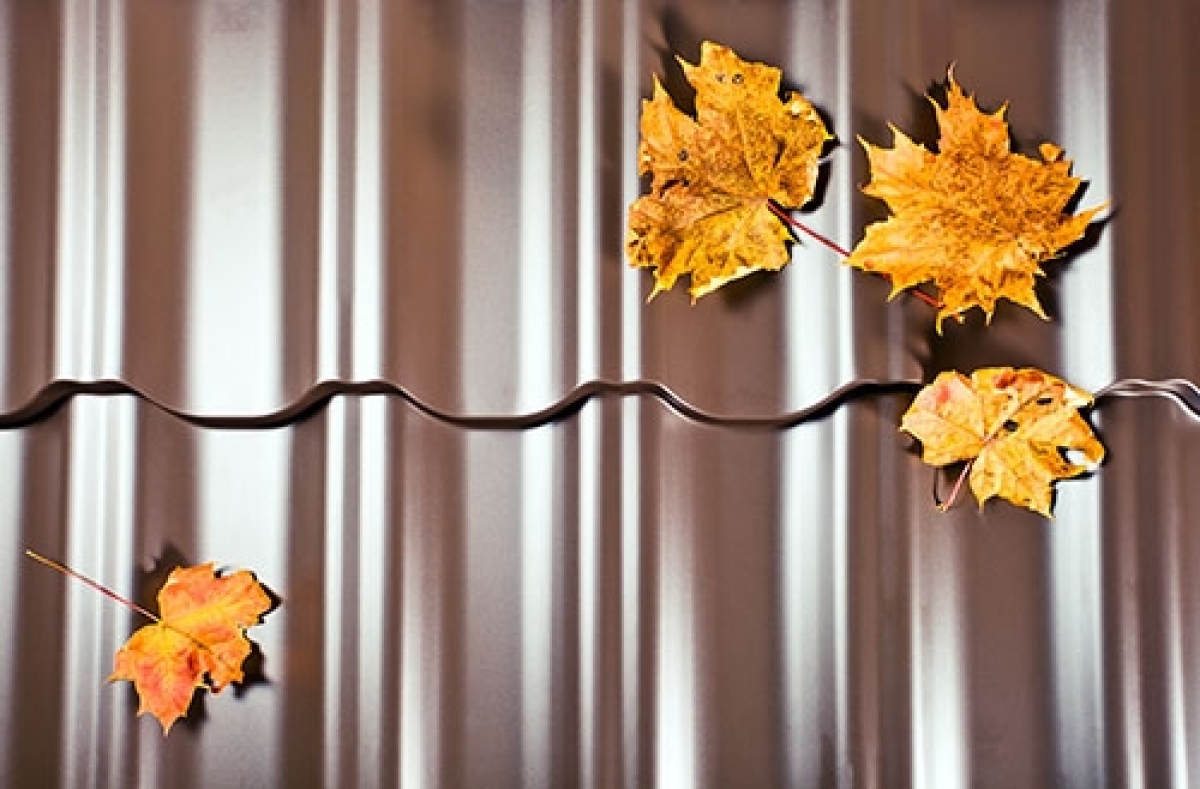
Twice a year is the standard answer for most homes in Kentucky, Ohio, and Illinois: once in spring to clear winter grit and salt residue, and once in fall to remove leaves and sap before winter sets in. That baseline shifts depending on your property:
The cleaning process itself is simple: a garden hose at normal household pressure, working from the top of the roof down, is usually enough on its own. For visible grime or bird droppings, a mild dish soap or a cleaner labeled safe for painted metal panels handles it. Always test a small, hidden area first. Skip the pressure washer. High-pressure spray can force water under seams and flashing or strip the finish, and neither is a trade you want to make for a slightly faster clean. Bleach, ammonia, and anything abrasive (steel wool, scouring pads) are off the table too, since they can damage the coating or trigger corrosion at panel seams.
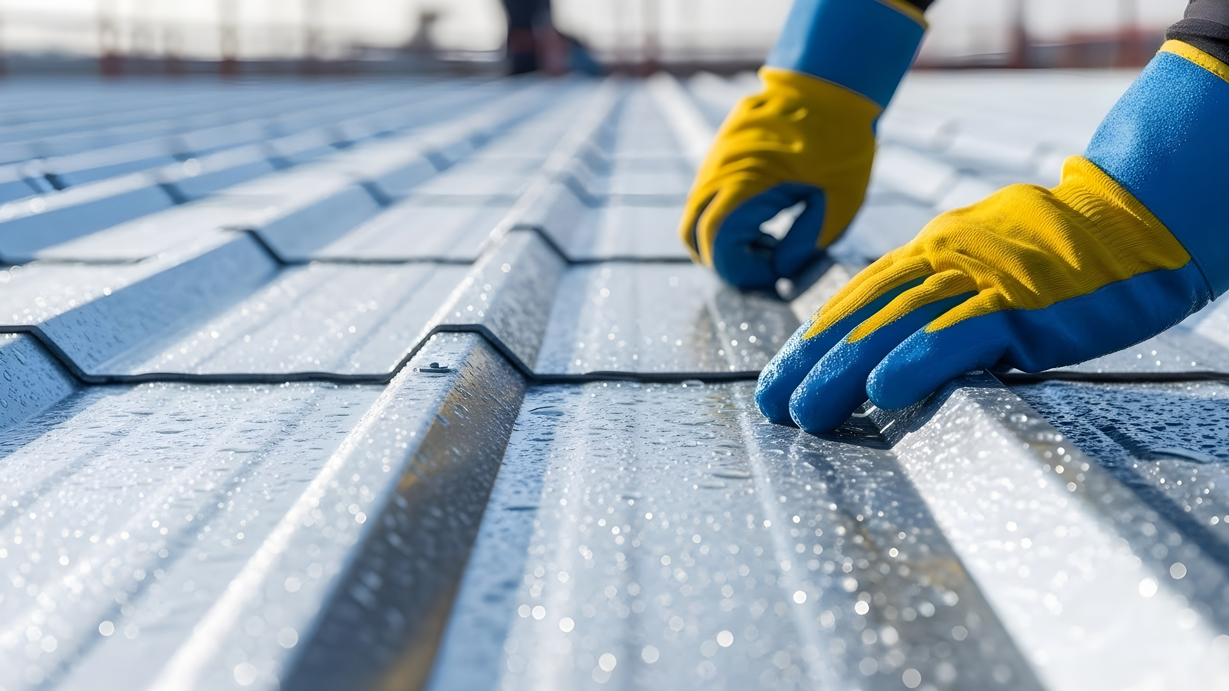
Inspection and cleaning go hand in hand, but they're not the same task, and skipping inspection is where small issues turn into repair bills. Do this twice a year, and again after any storm with high winds or hail.
Start from the ground. Walk the perimeter of the house with a pair of binoculars and look for:
This step alone catches most issues, and it doesn't require a ladder.
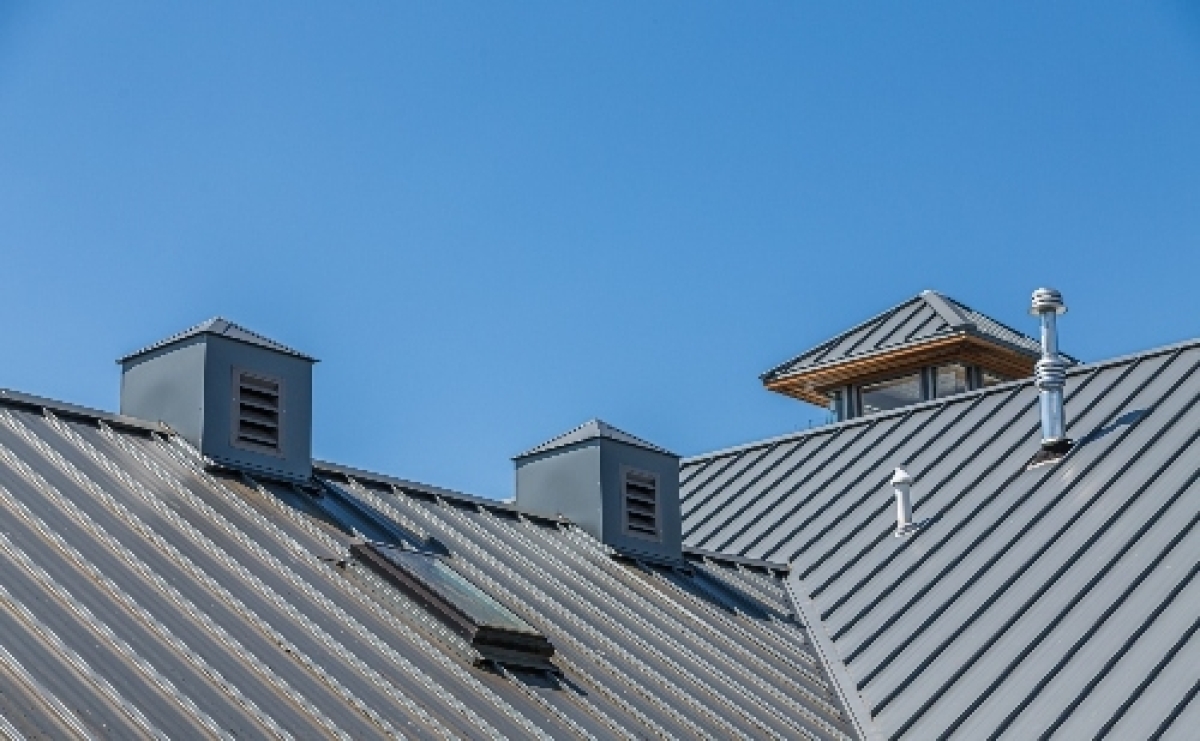
If something looks off, or it's been a few years since anyone got a closer look, move to the roof level itself, with a harness, a second person present, and care to walk only on the flat panel areas, never on flashing or seams. Check flashing around chimneys and vents, gutter attachment points, and any place two roof planes meet, since these transition points do the most work and show wear first. If your roof isn't easily or safely walkable, this step is worth handing to a professional rather than skipping. A fall risk isn't worth saving a service call.
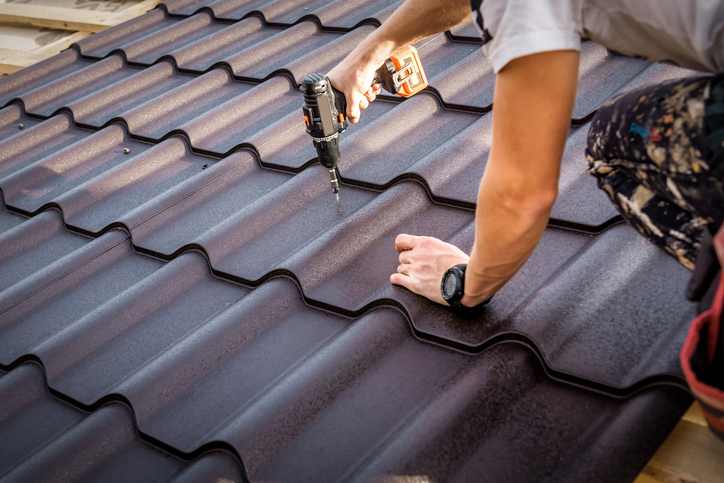
Metal siding maintenance follows the same general logic as roof care: clean it, look at it, fix small things. But the exposure is different, and that changes the schedule. Siding sits at eye level and ground level, which means it takes direct contact with lawn sprinklers, mower debris, road spray, and foot traffic in a way the roof never does. The lower two or three feet of siding on most homes need attention more often than the panels above them, sometimes every few months rather than twice a year, especially near driveways or sprinkler zones.
The cleaning method is the same: hose and mild detergent, no pressure washer, no harsh chemicals. Inspection differs slightly: check trim and caulk joints around windows and doors for cracking or gaps, since siding relies on sealant at those transitions in a way roof panels generally don't. A gap here is a small caulking fix today and a moisture problem behind the wall in a year or two if it's ignored.

Most of what you'll find during a roof or siding check is minor, and most of it is a homeowner-level fix:
Call a professional from Manse Metal when the issue involves:
At that point the fix isn't cosmetic anymore; it's about stopping the problem from spreading to panels that are otherwise fine. Catching things at the "touch-up paint" stage instead of the "replace the panel" stage is really the whole point of checking twice a year.
If you're still weighing metal against asphalt or vinyl, the maintenance routine above is the actual, unglamorous answer to "is metal roofing worth it": two cleanings, two inspections, and the occasional five-minute touch-up, spread across a roof that's built to outlast two or three asphalt replacements. Asphalt owners are doing shingle replacement, moss treatment, and granule loss checks on a similar or tighter schedule, for a roof with roughly half the lifespan.
Homeowners and general contractors across Kentucky, Ohio, and Illinois choosing Mansea Metal panels get materials manufactured locally, finished with Sherwin-Williams WeatherXL™ Finishes in more than 20 colors, and backed by a warranty built around exactly this kind of routine care. If you want to see how a color and profile will actually look on your home before committing, our Color Visualizer is the fastest way to get there, and our residential solutions page walks through panel options by project type.
Get a free quote on materials built to make this routine shorter every year. Contact your nearest Mansea Metal location in Kentucky, Illinois, or Ohio to get started.